

Introduction
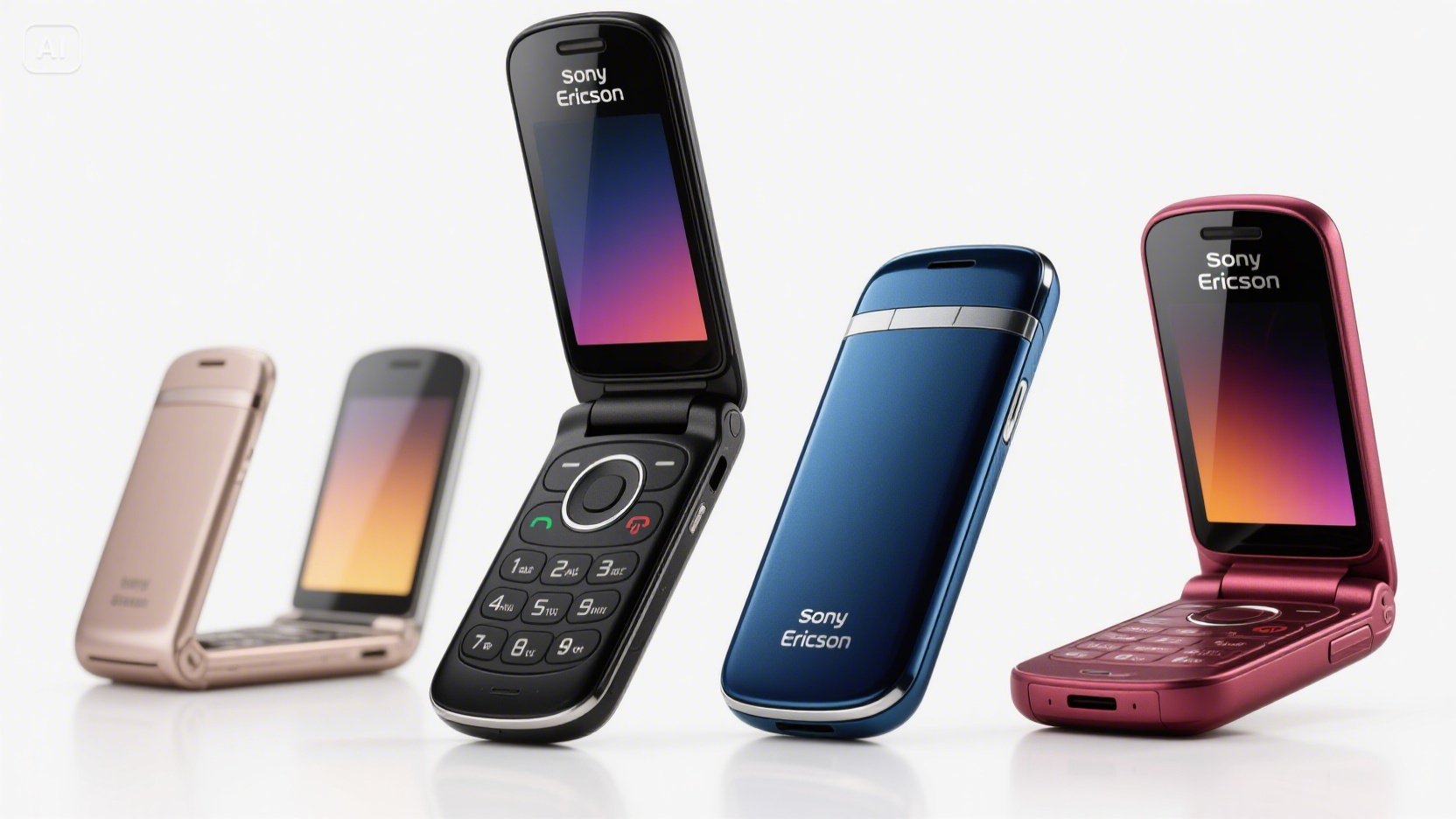
The Sony Ericsson flip phone era represents a unique chapter in mobile technology history, capturing the hearts of millions during its peak. These devices were not just communication tools but fashion statements, cultural icons, and symbols of a rapidly evolving digital age.
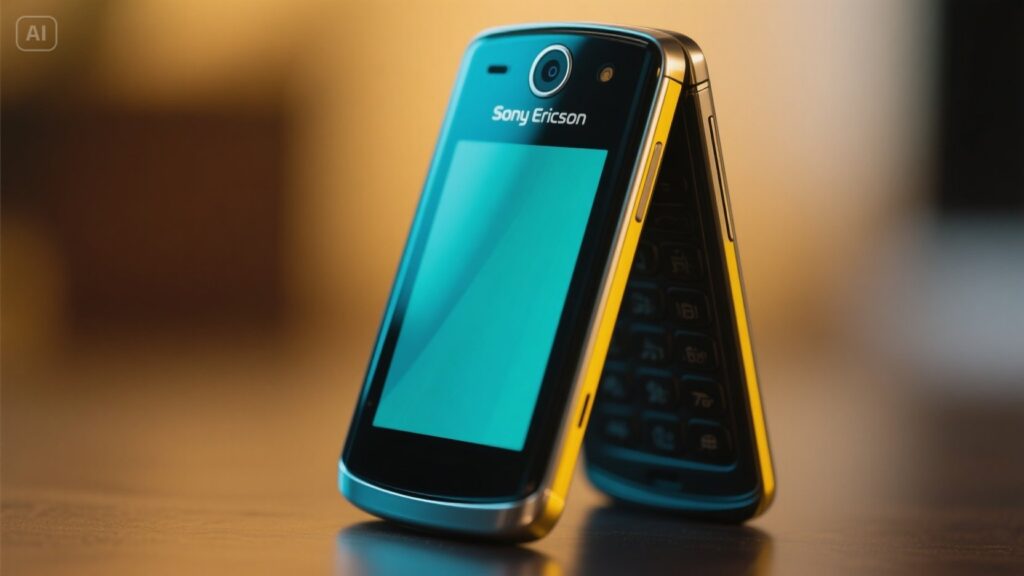
Once a hallmark of innovation, sophistication, and personal expression, the Sony Ericsson flip phone symbolized the pinnacle of mobile design in the early 2000s.
This article comprehensively examines the design, features, and cultural impact of Sony Ericsson flip phones, exploring why they still evoke nostalgia among users today.
| Category | Details |
| Brand | Sony Ericsson |
| Popular Flip Models | Sony Ericsson Z600, W300i, Z800i, T707, and Z520a |
| Design Highlights | Clamshell body, external display, compact form, ergonomic keypads |
| Primary Features | VGA to 2MP cameras, MP3 ringtones, Bluetooth, Java games, SMS/MMS, FM radio |
| Build Quality | Durable plastic casing, snap-close mechanism, tactile keys |
| User Interface | Sony Ericsson’s proprietary UI, minimalist menus, and iconic ringtones |
| Connectivity | GSM, 2G, Bluetooth, Infrared |
| Entertainment Features | Music players (Walkman series), games, themes |
| Battery Life | Long standby time (up to 300 hrs), talk time up to 6–8 hours |
| Cultural Impact | Symbol of early 2000s fashion and tech lifestyle |
| Target Audience | Teens, young adults, and early tech adopters |
| Why It’s Nostalgic Today | Simplicity, reliability, and retro tech charm |
| Legacy | Inspired the design of modern foldables like the Galaxy Z Flip |
The Rise of Sony Ericsson: A Brief Background
Sony Ericsson was formed in 2001 as a joint venture between Japanese electronics powerhouse Sony and Swedish telecommunications leader Ericsson. They aimed to blend Sony’s consumer electronics expertise with Ericsson’s mobile technology prowess. This union resulted in sleek, stylish, and feature-rich mobile phones, including a memorable lineup of flip phones.
Design Philosophy: Where Aesthetics Meet Functionality
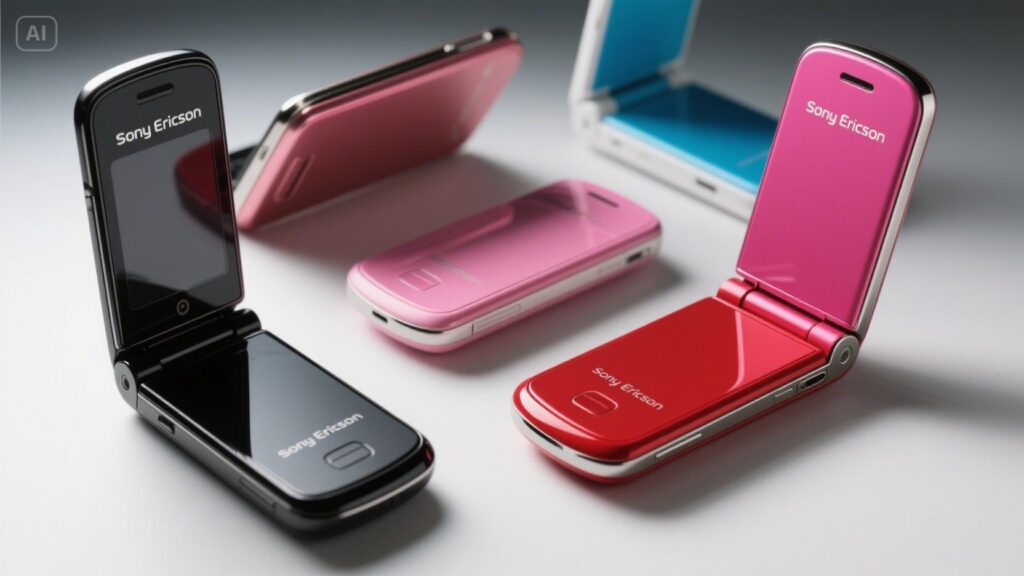
The design of Sony Ericsson flip phones was revolutionary for its time. Unlike the brick-style telephones of the 1990s, these devices offered:
- Compact and portable form factors could easily fit in a pocket or handbag.
- Clamshell designs that protected the keypad and screen from scratches.
- Ergonomic contours that made them comfortable to hold during long conversations.
- Distinctive materials include glossy plastics, brushed metal finishes, and customizable faceplates.
The flip mechanism was more than a novelty—it gave users a sense of style and privacy. Opening the phone to answer a call became a ritual.
Iconic Sony Ericsson Flip Phone Models
Sony Ericsson T68i
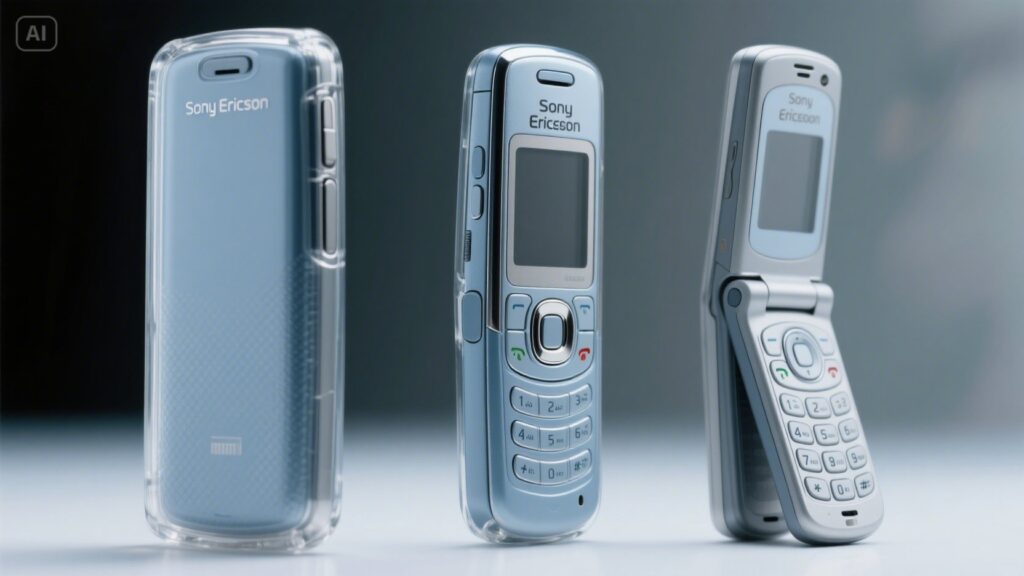
Released in 2002, the Sony Ericsson T68i was one of the first models to gain significant popularity. It featured a color display, a novelty at the time, and offered functionalities such as SMS, email, and even a camera attachment.
Sony Ericsson Z600
The Z600, launched in 2003, was notable for its vibrant design and customizable covers. It featured a 1.8-inch display, a camera, and support for multimedia messaging. The phone was celebrated for its user-friendly interface and stylish appearance, making it a favorite among fashion-conscious users.
Sony Ericsson W580i
Part of the Walkman series, the W580i was designed for music lovers. Released in 2007, it featured dedicated music controls and a 2-megapixel camera. Its sleek design and vibrant colors made it a hit, especially among younger consumers.
Sony Ericsson K800i
Launched in 2006, the K800i was known for its impressive camera capabilities, boasting a 3.2-megapixel sensor and Cyber-shot technology. This model marked a significant shift in mobile photography, setting a standard for future smartphones.
Innovative Features Ahead of Their Time
Sony Ericsson flip phones weren’t just about looks—they often packed impressive technology for their era:
- Multimedia integration: Music players, FM radios, and video playback.
- High-quality cameras: VGA to 2MP sensors, often paired with photo editing tools.
- Custom ringtones and themes: Extensive personalization options.
- Bluetooth and infrared: For file sharing and hands-free operation.
- Java support: Allowing for basic games and apps.
At a time when smartphones were still in their infancy, Sony Ericsson devices brought a taste of smart functionality in a stylish package.
User Experience and Longevity
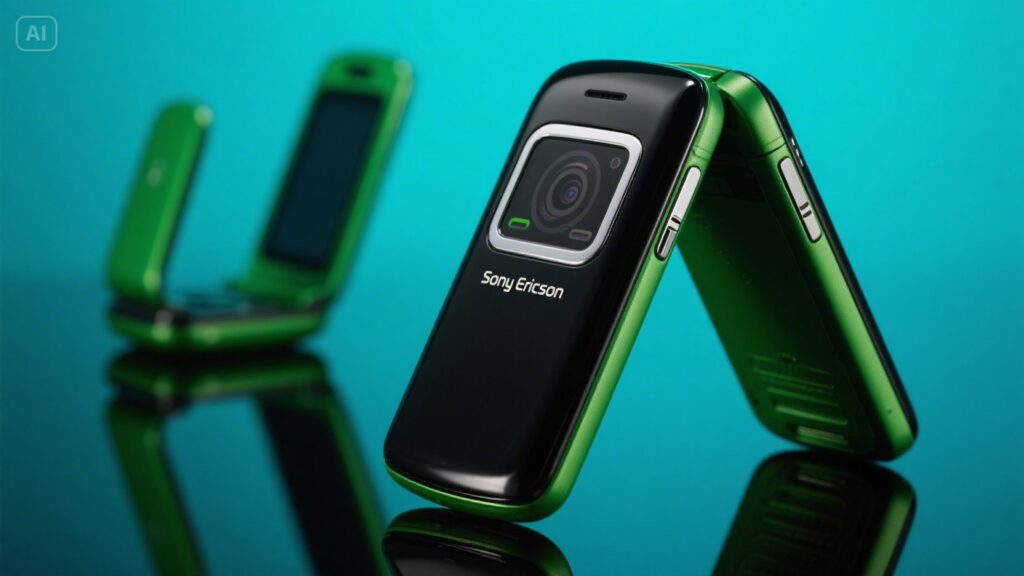
One reason Sony Ericsson flip phones remain memorable is their exceptional user experience and durability. Unlike many modern devices that require constant software updates and fragile handling, these phones were built to last, with snap-close mechanisms and reinforced keypads that could withstand daily wear and tear.
Users often praised the tactile feedback of the buttons, the intuitive menu navigation, and the satisfying click of the clamshell opening and closing.
The Decline of Flip Phones
The introduction of smartphones in the late 2000s marked a turning point for the mobile industry. Devices like the iPhone and Android smartphones offered advanced features, larger screens, and a more comprehensive app ecosystem. This shift led to a decline in the popularity of flip phones, including those produced by Sony Ericsson.
Despite the decline, Sony Ericsson flip phones’ legacy endures. Many users who experience these devices reminisce about their reliability, stylish designs, and the nostalgia associated with their first mobile phones. The emotional connection established during this era continues to resonate with brand fans.
Cultural Impact of Sony Ericsson Flip Phones
Fashion Statement
During the early 2000s, Sony Ericsson flip phones became a fashion accessory. Their stylish designs and vibrant colors made them popular among teenagers and young adults. The phones often appeared in music videos, movies, and television shows, further solidifying their status as cultural icons.
Representation in Media
Flip phones, particularly those from Sony Ericsson, frequently appeared in pop culture, representing the height of mobile technology at the time. From feature films to television shows, they symbolized connectivity and modernity, marking a significant shift in how people communicated.
Influence on Future Designs
The design elements and features of Sony Ericsson flip phones influenced the development of future mobile devices. The focus on aesthetics, multimedia capabilities, and user experience laid the groundwork for the following smartphones. Many innovative features in Sony Ericsson models became standard in later devices.
Conclusion
The Sony Ericsson flip phone era represents a significant chapter in mobile technology history, characterized by stylish designs, innovative features, and cultural impact. These devices were not just tools for communication; they were symbols of a rapidly evolving technological landscape.
As we reflect on the past, the nostalgia associated with Sony Ericsson flip phones reminds us of a time when mobile devices were more than just smartphones—they were personal statements of style and identity.
Through their unique designs and functionalities, Sony Ericsson flip phones left an indelible mark on the industry, influencing the way we view and interact with technology today. As we embrace the future of mobile communication, the memories of these beloved devices will always hold a special place in the hearts of those who experienced them.
Apart from that, if you want to know more about How to buy twitter then visit our Tech category.
FAQs
While modern foldables offer touchscreens and high-end specs, Sony Ericsson flip phones focused on compact form, reliability, and user-friendly design, without distractions or app overload.
Some models can still work on 2G networks if supported in your region, but most are now collector’s items due to outdated cellular technology.
Excellent by today’s standards—standby time could reach up to 300 hours, with talk time between 6–8 hours, depending on usage.
Some models offered basic WAP (mobile internet) support, allowing access to limited online content like news and email.
