

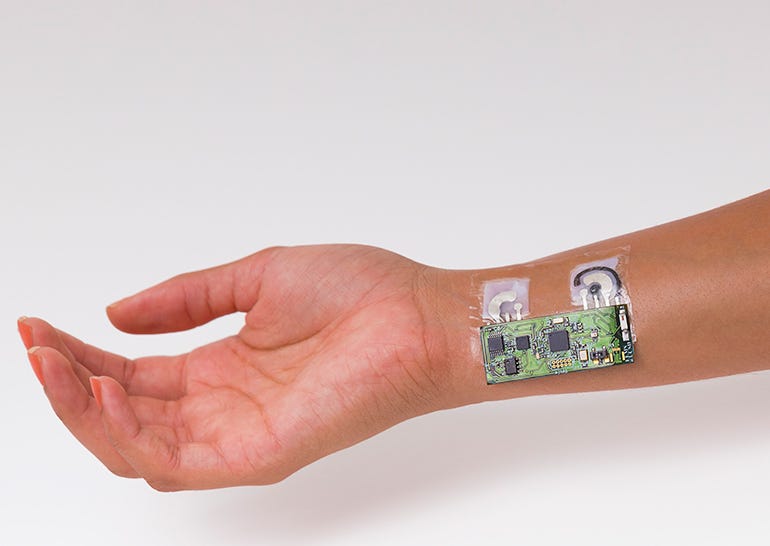
The market for innovative and user-friendly applications specifically designed for wearable technology—such as fitness trackers, augmented reality glasses, and smartwatches—is rapidly expanding. Wearables have become a global phenomenon, capturing the enthusiasm of millions worldwide.
As a response to the increasing demand for wearable apps, companies are developing applications compatible with both smartphones and wearable devices.
The term Raleigh mobile app development refers to the approach of developing applications for mobile devices like phones and tablets within the Raleigh region. This leverages the city’s vibrant tech ecosystem and skilled workforce to design and create cutting-edge mobile solutions tailored to meet the needs of local businesses and residents.
Key Data on the Wearable Industry
Before diving into the wearable app development process, let’s examine recent market statistics that highlight the impressive growth of the wearable technology sector.
As of 2024, the global wearable technology market is valued at over $70 billion and is projected to grow at a compound annual growth rate (CAGR) of approximately 15% from 2024 to 2030. This growth is fueled by increased consumer adoption, advances in device capabilities, and expanding application use cases across health, fitness, and enterprise solutions.
Benefits of Wearable Technology for Businesses
Having explored the opportunities wearable technology presents, let’s analyze the various advantages companies can gain by investing in this space.
A New Revenue Stream
Developing a wearable app opens a lucrative avenue for businesses to boost their revenue and tap into the growing market of wearable tech users.
Wearable apps allow users to access services directly from their devices without needing to constantly engage with their smartphones. For example, a smartwatch can enable hands-free calling while driving, offering convenience to customers and additional monetization opportunities for companies.
Improved Customer Experience
Wearable apps offer a seamless and efficient platform for user engagement. Designing a simple, intuitive user interface with easy navigation ensures that users can quickly access core app functions directly from their wearable devices.
Personalization features that tailor app content and notifications to individual preferences boost relevance and user engagement, improving overall customer satisfaction.
Increased Brand Awareness
Developing applications for wearable devices enhances brand visibility and attracts new customers. Wearable app stores provide easy access to products in just a few clicks, encouraging repeat usage and fostering brand loyalty.
Customizable alerts and themes strengthen the personal connection customers feel with the brand, enhancing recognition and preference.
Higher User Engagement
Wearable apps promote increased user participation by delivering instant notifications and quick access to app features via wearable devices. This boosts user retention rates and keeps businesses ahead in competitive markets.
By integrating wearable technology, companies can create engaging, user-centric applications that enhance interaction and satisfaction.
A mobile app development company specializes in building and marketing mobile applications, leveraging expertise across various platforms and technologies. They cater to diverse clients, from startups to large enterprises, aiming to elevate their operations or reinforce their digital presence through mobile solutions.
Step-by-Step Process to Develop Wearable Apps
To successfully develop a wearable application, it’s crucial to understand the full development lifecycle, from ideation to integration with advanced technologies and beyond.
Here is a comprehensive guide detailing the wearable app development process.
Step 1: Define the Concept
Begin by clearly defining your wearable app’s purpose and features. Identify the benefits it provides users and develop detailed user personas to outline your target audience.
A deep understanding of the app’s objectives lays a strong foundation to guide all subsequent development and strategic decisions, ensuring the app effectively meets user needs.
Step 2: Conduct Market Research
Perform comprehensive market research to stay ahead of trends, uncover unmet customer needs, and analyze competitors.
Understanding your target market’s preferences allows you to tailor features and functionalities that exceed user expectations, giving your app a competitive edge.
Evaluate competitors’ apps to learn their strengths and weaknesses. This helps you innovate and differentiate your product.
Step 3: Design UI/UX
Design an engaging, aesthetically pleasing, and easy-to-use interface tailored specifically for wearable devices.
Focus on simplicity and intuitive navigation to enhance user satisfaction and encourage repeat usage.
Step 4: Develop the Application
Begin app development using the best technology stack suited for your target platform.
For iOS wearables, Swift and Xcode IDE are preferred, while Kotlin or Java with Android Studio serve Android wearables.
Utilize platform-specific SDKs like Wear OS SDK for Android wearables and watchOS SDK for Apple Watch to access dedicated tools and APIs. Integrate relevant APIs such as Google Fit and Sensors API to enhance user experience and app functionality.
Step 5: Integrate Advanced Technologies
Incorporate cutting-edge technologies to maximize your wearable app’s potential:
• 5G Connectivity: Enables faster data transfer, lower latency, and reliable connections.
• Edge Computing: Processes data locally on the device, reducing dependence on cloud services and improving responsiveness.
• Machine Learning & AI: Embeds intelligent algorithms directly into wearables, allowing personalized and adaptive user experiences.
Step 6: Testing and Quality Assurance
Conduct thorough human and automated testing to deliver a reliable, secure, and user-friendly app that performs well across diverse scenarios.
Include user experience, security, device compatibility, and performance testing to identify and fix bugs before launch.
Mobile app development services offers a suite of services from design and coding to testing and maintenance, supporting clients in creating unique mobile applications tailored to their goals.
Step 7: Deployment
After testing, launch your app on relevant platforms and app stores such as Apple App Store and Google Play Store.
Follow submission guidelines carefully to ensure a smooth release, and optimize for easy accessibility on targeted wearable devices.
Strive to create an intuitive user experience that encourages widespread adoption and engagement.
Step 8: Post-Launch Support and Maintenance
Provide ongoing maintenance and prompt bug fixes to ensure the app’s continued success.
Regularly update the app to add new features, enhance security, and improve performance. Maintain open communication channels to gather user feedback for continuous improvement.
This ongoing support is vital to keep the app relevant, secure, and compliant with the ever-changing wearable technology landscape, fostering long-term user satisfaction and loyalty.
Top Features of Wearable Apps
Wearable apps can offer a broad range of compelling features. Here are some advanced functionalities that enhance app appeal and usability:
Multi-Device Interoperability
Enable seamless use across various devices like smartwatches and smartphones, providing users with a cohesive experience.
Real-Time Data Synchronization
Leverage AI-powered real-time syncing to ensure user data is always current, delivering instant updates on health stats, notifications, and more.
Health and Fitness Monitoring
Track metrics such as steps, heart rate, and sleep patterns to provide valuable insights and encourage healthier lifestyles.
Gesture Recognition
Utilize computer vision technologies for hands-free interaction through simple hand gestures, ideal for devices like smart glasses.
Voice Command Support
Incorporate intelligent voice assistants to enable users to control the app with spoken commands, enhancing convenience.
Location-Based Services
Use geo-location tracking to provide context-aware information and personalized content based on the user’s current location.
Personalization and Customization
Allow users to customize themes, notifications, and app settings to create a more engaging and personal experience.
Offline Mode
Enable app functionality without internet access to maintain usability in low-connectivity environments.
Robust Security
Implement blockchain and encryption technologies to protect user data and ensure privacy.
Third-Party Integrations
Facilitate connections with social media, smart home devices, fitness apps, and other platforms to create a versatile ecosystem.
Popular Wearable Devices in 2024
Wearable technology encompasses various device types widely used today. Here’s an overview of common wearable devices:
Smartwatches
Smartwatches act like powerful mini-computers on your wrist, offering notifications, health monitoring, and even the ability to make calls without needing a phone.
Fitness Bands
Also known as activity trackers, these wristbands monitor vital signs such as heart rate, sleep patterns, and step counts to support fitness goals.
Smart Glasses
Glass-based wearables overlay digital information onto the user’s vision and may include cameras for hands-free photography and augmented reality experiences.
Smart Earbuds
These earbuds go beyond audio playback, offering fitness tracking, voice assistance, and seamless integration with other smart devices.
Head-Mounted Displays (HMDs)
HMDs provide immersive virtual and augmented reality experiences, widely used in gaming, training, and digital exploration.
Smart Jewelry
From intelligent wristbands to fashionable smart necklaces, these devices combine aesthetics with functionality like fitness tracking.
Smart Rings
Compact high-tech rings capable of displaying notifications and interacting with other digital devices for added convenience.
Wearable App Opportunities Across Industries
Wearable technology adoption is booming globally, impacting a wide array of industries. Key sectors benefiting from wearable app innovations include:
Healthcare
Wearable apps serve as essential health monitors, tracking vital signs, medication reminders, and lifestyle advice to empower patient care.
Fitness
Fitness apps motivate users by tracking workouts, progress, and goals, transforming exercise into an engaging experience.
Education
Wearable apps facilitate interactive learning experiences, personalized courses, and on-the-go education across various subjects.
Entertainment
Innovative games and interactive stories available via wearables create thrilling leisure experiences anytime, anywhere.
Financial Technology (Fintech)
Wearables simplify payments, budgeting, and account management by delivering instant notifications and easy transaction tools.
Insurance
By monitoring behavior and health data, wearable apps support personalized insurance policies and proactive risk management.
Top 5 Wearable Apps in 2024
Here are the leading wearable apps currently dominating the market:
Duolingo
Duolingo offers a fun, interactive way to learn new languages, functioning as a friendly language coach.
Over 600 million downloads worldwide
2024 Revenue: Approximately USD 520 million
Rating: 4.7/5 from 22 million reviews
Uber
Uber provides convenient on-demand transportation services, making travel easy and accessible.
Over 500 million downloads
2024 Revenue: Over USD 36 billion
Rating: 4.7/5 from 13.5 million reviews
Google Maps
Google Maps offers reliable navigation and location services to simplify travel and exploration.
Over 10 billion downloads
Annual Revenue: Estimated USD 4.5 billion
Rating: 4.1/5 from 18 million reviews
Spotify
Spotify delivers personalized music streaming, turning daily activities into enjoyable experiences.
Over 1 billion downloads
2024 Revenue: Around USD 14 billion
Rating: 4.4/5 from 31 million reviews
Google Keep
Google Keep is a versatile note-taking app that helps users stay organized with digital sticky notes.
Over 1 billion downloads
2024 Revenue: Included in Google’s ecosystem
Rating: 4.4/5 from 30 million reviews
These wearable applications enhance everyday life by blending utility with convenience and pleasure, showcasing how wearable technology enriches user experiences.
In conclusion, developing applications for wearable technology is both exciting and challenging. Knowledge of the development process and adaptability are crucial to building user-loved apps as wearables gain popularity.
By following the steps outlined above, businesses can create compelling wearable apps. Partner with Linkitsoft, a leading wearable app development company, to bring your wearable technology ideas to life or integrate wearable solutions into existing applications. Linkitsoft stands out for:
- Expert guidance during project analysis and planning phases.
- Diverse wearable app solutions tailored to meet varied user demands.
- A seasoned development team with senior members boasting over 25 years of experience.
- Expertise in integrating cutting-edge technologies like blockchain, AI, AR, and VR.
- Comprehensive post-development support to maximize product success.
FAQs About Wearable App Development
The primary challenges include designing for small screen sizes, ensuring efficient battery usage, maintaining seamless connectivity, and delivering smooth user experiences despite limited hardware resources.
Swift is popular for iOS (Apple Watch) app development, while Kotlin and Java are commonly used for Android-based wearables.
Wearable app development requires designing for smaller screens, prioritizing lightweight functionality, optimizing for battery life, and incorporating device-specific sensors and interactions, which differs from the mobile app approach.
Yes, many wearable apps include offline modes to maintain core functionality without internet connectivity, syncing data once the connection is restored.
Wearable apps offer immediate, context-aware notifications, personalized content, and hands-free controls that encourage more frequent and prolonged user interaction.
Want to know about‘Building Web App‘Check out our ‘Tech‘category.
