

Introduction
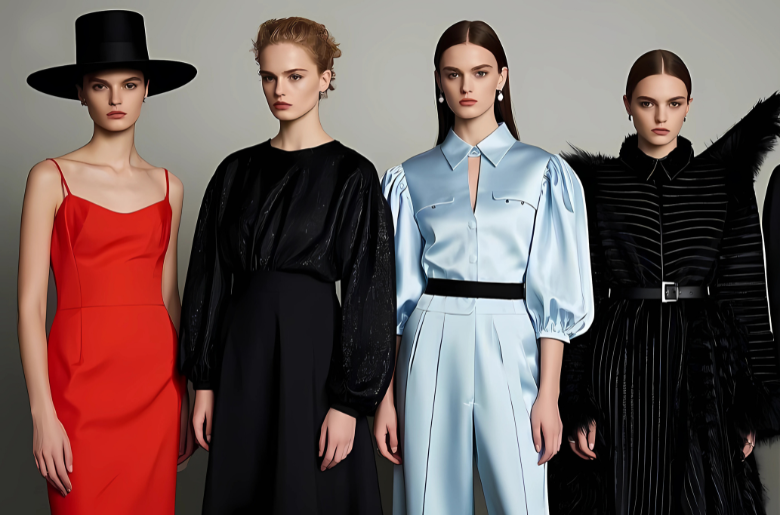
The fashion industry has always been shaped by top model outfits, which set trends, inspire designers, and influence what people wear worldwide. Supermodels have been at the forefront of fashion evolution, from the glamorous gowns of haute couture runways to edgy street-style looks.
Whether it’s Naomi Campbell’s fierce walk, Gigi Hadid’s modern minimalism, or the extravagant creations of designers like Alexander McQueen and Chanel, these outfits have left a lasting impact. This article explores the evolution of top model outfits, their influence on global fashion, and the most iconic looks that continue to inspire.
| Category | Description |
| Runway Trends | High-fashion trends are seen on catwalks, including avant-garde designs, oversized silhouettes, and futuristic materials. |
| Iconic Model Looks | Signature outfits worn by legendary models like Naomi Campbell, Cindy Crawford, and Gisele Bündchen left a lasting impact. |
| Fashion Eras | Exploration of different periods, such as the 90s supermodel era, early 2000s minimalism, and contemporary streetwear influence. |
| Luxury Brand Influence | Top fashion houses like Chanel, Versace, Gucci, and Dior are shaping model fashion with signature pieces and exclusive collections. |
| Street Style vs. Runway | How models mix high fashion with casual streetwear, influencing global fashion trends beyond the runway. |
| Statement Pieces | Standout items such as extravagant gowns, power suits, and daring couture worn by models became fashion moments. |
| Haute Couture vs. Ready-to-Wear | The distinction between one-of-a-kind haute couture looks and accessible ready-to-wear collections is seen in model wardrobes. |
| Cultural Influence | How different cultures have shaped model outfits, bringing diversity and new aesthetics into global fashion. |
| Red Carpet Fashion | Memorable outfits worn by top models at prestigious events like the Met Gala, Cannes Film Festival, and fashion award shows. |
| Future Trends | Emerging model fashion trends, including sustainability, digital fashion, and AI-generated designs, are shaping the industry. |
The Evolution of Top Model Outfits Through the Decades
Fashion has transformed significantly over the decades, with each era bringing unique styles that define the industry.
1. The 1950s: The Birth of Supermodel Elegance
The 1950s introduced the world to the first supermodels, including Dovima and Suzy Parker. Their outfits reflected classic elegance, featuring full skirts, cinched waists, and sophisticated evening gowns from designers like Christian Dior and Balenciaga.
2. The Mod Revolution: 1960s
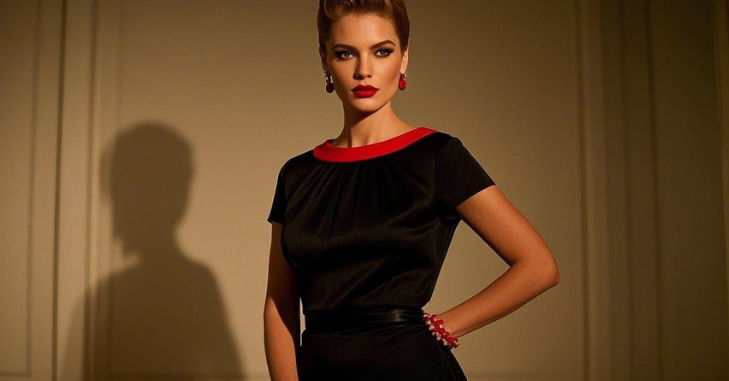
With the rise of Twiggy and Jean Shrimpton, top model outfits embraced mini skirts, A-line dresses, and bold prints. Designers like Mary Quant and André Courrèges redefined fashion, making it more youthful and daring.
3. The 1970s: Bohemian Chic and Disco Fever
Supermodels like Jerry Hall and Beverly Johnson made a statement with flowing maxi dresses, wide-leg pants, and sequin-covered disco looks. The era was about expressing individuality, blending boho fashion with glamorous Studio 54-inspired outfits.
4. Power Dressing and Excess: 1980s
With the rise of Cindy Crawford and Linda Evangelista, top model outfits embraced bold shoulders, bodycon dresses, and high-glamour metallics. The 1980s were a time of fashion excess, influenced by power dressing and opulence.
5. The 1990s: Minimalism and Supermodel Domination
The ‘90s were the golden era of supermodels like Naomi Campbell, Kate Moss, and Claudia Schiffer. Fashion shifted toward minimalism, with Calvin Klein’s slip dresses, grunge-inspired plaid, and tailored suits taking centre stage.
6. The 2000s: Glamour, Y2K Fashion, and Red Carpet Extravagance
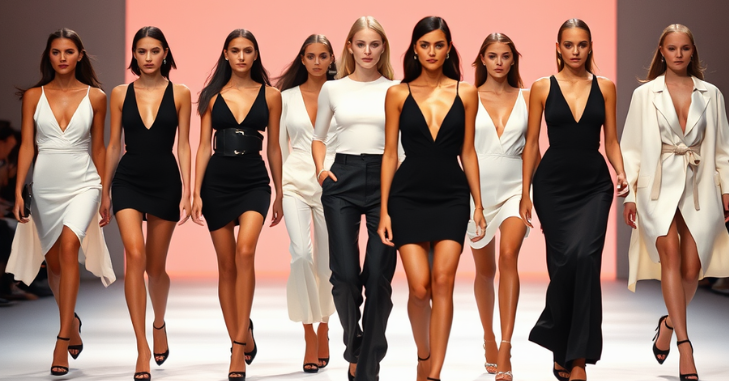
The 2000s saw Victoria’s Secret Angels dominating the runway with glamorous, playful, and over-the-top outfits. Low-rise jeans, crop tops, and rhinestone-covered ensembles defined the era’s streetwear trends.
7. High-Fashion Meets Streetwear: The 2010s and Beyond
Models like Kendall Jenner and Gigi Hadid have brought a mix of luxury and casualwear, with top model outfits featuring oversized blazers, monochrome ensembles, and designer sneakers. Sustainability and body positivity have also influenced modern fashion choices.
Iconic Top Model Outfits That Changed Fashion Forever
Certain outfits worn by supermodels have become legendary, setting new trends and redefining style.
1. Naomi Campbell’s Versace Chainmail Dress (1999)
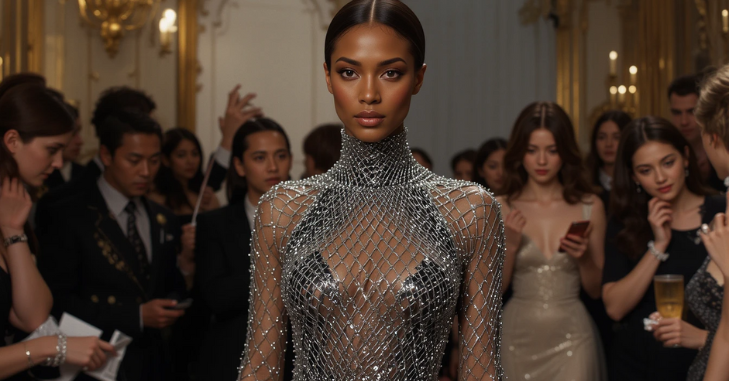
A defining moment in fashion history, Naomi Campbell’s silver chainmail dress by Versace became one of the most recognizable top model outfits ever. It epitomized ‘90s glamour and has inspired countless designs since.
2. Kate Moss’s Sheer Slip Dress (1993)
Kate Moss’s nearly transparent silver slip dress set the tone for the minimalist aesthetic of the ‘90s. It remains a reference point for designers exploring understated elegance.
3. Gigi Hadid’s Met Gala Gold Dress (2018)
Designed by Versace, Gigi Hadid’s metallic gold gown at the Met Gala embodied modern-day supermodel fashion, blending luxury with artistic expression.
4. Bella Hadid’s Cannes Red Gown (2016)
Bella Hadid’s daring red Alexandre Vauthier gown became an instant sensation, showcasing the influence of top model outfits on high-fashion red carpet looks.
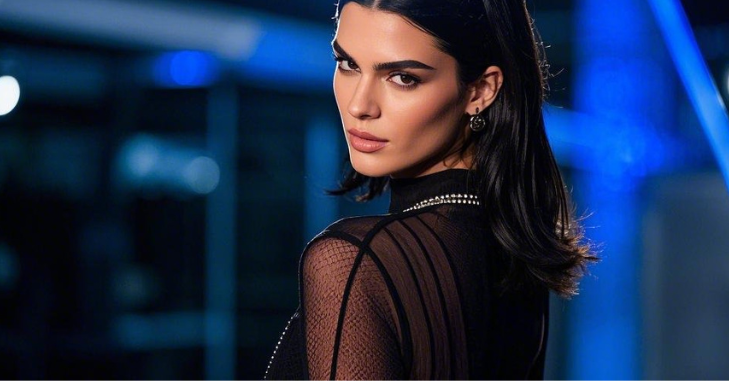
5. Kendall Jenner’s Black Sheer Dress (2017)
Kendall Jenner turned heads in a La Perla sheer gown at the Met Gala, further solidifying the trend of bold, high-fashion statement pieces.
The Role of Accessories in Top Model Outfits
While clothing often steals the spotlight, accessories play an equally vital role in defining a top model’s outfit. Statement jewelry, oversized sunglasses, luxury handbags, and designer shoes can transform a simple ensemble into an iconic look.
Models like Claudia Schiffer and Cindy Crawford elevated runway outfits with carefully curated accessories that complemented the designer’s vision, while contemporary models like Bella Hadid and Kendall Jenner showcase how accessories can bridge high fashion and street style.
Beyond aesthetics, accessories also reflect cultural trends, from bold 1980s costume jewelry to today’s emphasis on sustainable, artisanal pieces, demonstrating that even the smallest details can leave a lasting impact on global fashion.
Runway Trends That Define Top Model Outfits
Over the years, specific trends have become staples of top model outfits, shaping runway fashion and influencing everyday styles.
Haute Couture Extravaganza
Fashion has always been about pushing boundaries. Supermodels have worn breathtaking pieces from houses like Dior, Chanel, and Valentino, showcasing intricate designs and impeccable craftsmanship.
The Androgynous Look
From Cara Delevingne’s tailored suits to gender-fluid runway pieces, androgyny has become a defining trend in top model outfits. Blurring the lines between masculine and feminine fashion is now a runway staple.
Bold Prints and Statement Colors
Versace’s vibrant prints, Moschino’s playful patterns, and Balmain’s structured neon ensembles prove that top models are not afraid to make a bold statement with their outfits.
High-Fashion Athleisure
The rise of sportswear-inspired fashion has led to incorporation of sneakers, oversized hoodies, and leggings into runway looks, blending comfort with luxury.
Minimalist Chic
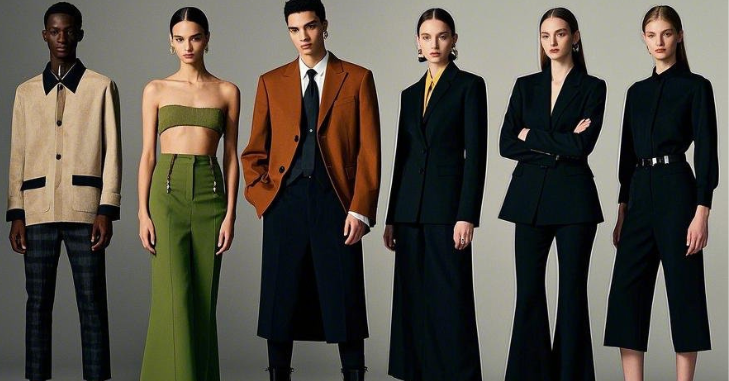
Less is more when it comes to timeless fashion. Supermodels have redefined elegance with sleek silhouettes, monochrome outfits, and tailored pieces that highlight the beauty of simplicity.
The Influence of Top Model Outfits on Everyday Fashion
The outfits worn by top models don’t just stay on the runway; they influence streetwear, red carpet-trends, and even workplace fashion.
- Street Style Evolution: Models like Hailey Bieber have popularized oversized blazers, bike shorts, and crop tops, creating a perfect blend of casual and high fashion.
- Luxury Meets Accessibility: Brands like Zara and H&M often replicate high-fashion looks, making top-model outfits accessible to the general public.
- Sustainability in Fashion: With models advocating for ethical fashion, there has been a rise in sustainable and vintage-inspired clothing choices.
Conclusion
Top-model outfits have defined fashion for decades, influencing trends, inspiring designers, and shaping how people dress worldwide. Supermodels continue to be at the forefront of the industry’s evolution from the glamorous gowns of the ‘50s to the minimalist chic of today. As fashion continues to evolve, one thing remains certain—top-model outfits will permanently set the stage for the next big trend.
As we progress, the fashion industry will undoubtedly keep evolving. Still, the essence of top model outfits will remain a testament to the creativity and vision of designers and models alike. Whether on the runway or in everyday life, these outfits will continue to captivate and define the ever-changing landscape of fashion.
Apart from that if you want to know about “Street Style 2024: Top Fashion Trends for Spring, Summer and Fall, Winter from Paris and Around the World” then please visit our “Fashion” Category.
FAQs
During the Gilded Age, women wore a wide range of textiles. They would typically dress in materials and textures that are seen as opulent. Silk, velvet, satin, lace, and elaborate embroidery are a few examples. Deep and rich hues were the most popular fashion colours during the Gilded Age.
The 333 approach is a condensed form of a capsule wardrobe. You aim to make as many different clothing combinations as possible using three tops, three bottoms, and three shoes.
The supermodel and TV personality Kendall Jenner is well-known for her remarkable career and height. Kendall’s height has defined her modelling career and allowed her to stand tall in the fashion industry.
The Rule of Five is a relatively straightforward guideline for apparel acquisition: only purchase five new pieces this year.
