

Introduction
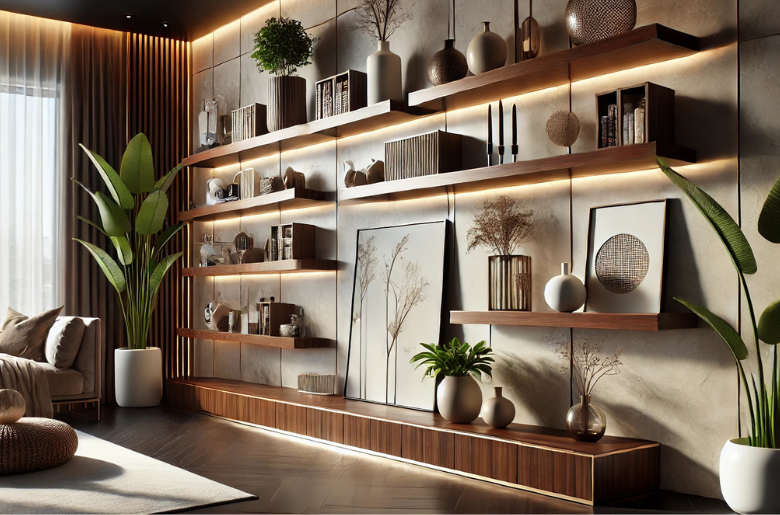
Floating shelves have become a modern interior design essential, blending functionality with stylish appeal. Long floating shelves, in particular, can dramatically transform your space by adding ample vertical storage, creating visual interest, and enhancing the overall décor.
These shelves are versatile design elements that allow you to showcase décor, organize essentials, or introduce a sleek, contemporary touch to any room.
This comprehensive guide will help you select, install, and style long floating shelves to create a chic, sophisticated look in your home.
| Category | Details |
| Material Options | Wood (oak, walnut, pine) for warmth, MDF for affordability, metal for an industrial vibe, and glass for elegance. |
| Choosing the Right Size | Lengths range from 24 to 72 inches, depths between 8 to 12 inches, and thicknesses from 1 to 3 inches, depending on weight requirements and style. |
| Installation Methods | Mounting on wall studs or using heavy-duty anchors and concealed brackets for aesthetics and sturdiness. |
| Weight Capacity | Wooden and metal shelves support heavier items; glass and MDF shelves are better for lighter décor. |
| Styling Tips | Enhance with books, artwork, indoor plants, LED lighting, and decorative accents. |
| Maintenance | Regular dusting, checking brackets, and avoiding overloading ensure shelf longevity. |
Choosing Long Floating Shelves
1. Material Matters
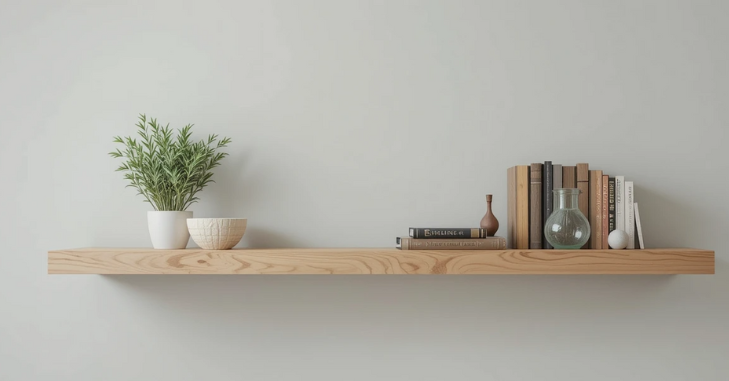
The material of your floating shelves significantly impacts their durability and aesthetic. Popular choices include:
- Wood: Provides warmth and a timeless look. Opt for hardwoods such as oak or walnut for longevity.
- Metal: Offers a sleek, industrial feel, perfect for minimalistic or contemporary décor.
- Glass: Creates an airy, elegant look, ideal for showcasing decorative items without overcrowding the space.
2. Size and Dimensions
To select appropriately sized long floating shelves, consider:
- Length: Measure the wall space designated for your shelves. Longer shelves make bold statements and maximize storage.
- Depth: Typically, 10 to 12 inches depth suits books, plants, and decorative pieces comfortably.
- Thickness: Shelves between 1 and 2 inches thick tend to appear substantial and support heavier items effectively.
3. Style and Finish
Match your shelves’ style and finish to your existing décor for a cohesive look:
- Rustic: Choose reclaimed or distressed wood for a charming, vintage feel.
- Modern: Select sleek metals or polished woods in neutral tones for a minimalist vibe.
- Eclectic: Combine a variety of materials and finishes to forge a unique visual interest.
Installing Long Floating Shelves
1. Gather Your Tools
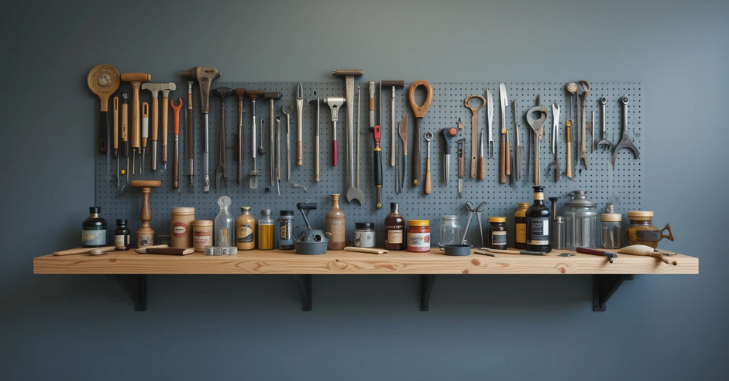
Prepare these tools for a smooth installation:
- Level
- Drill
- Stud finder
- Wall anchors (for drywall installation without studs)
- Screwdriver
- Tape measure
2. Find the Right Location
Select a placement that balances both style and utility:
- Height: Install shelves at eye level or slightly above for optimal use and visibility.
- Spacing: Leave adequate space between shelves for taller or larger items.
3. Secure the Shelves
Ensure a robust installation by following these steps:
- Locate Studs: Use a stud finder to identify structural supports behind the wall for maximum strength.
- Mark the Wall: Pencil mark where mounting brackets will be placed.
- Drill Pilot Holes: Prepare holes for screws, adding wall anchors when not drilling into studs.
- Attach Brackets: Secure brackets, making sure they’re perfectly level to avoid sagging.
- Mount Shelves: Slide shelves onto brackets and adjust for a flush, stable fit.
Styling Long Floating Shelves
1. Create Visual Balance
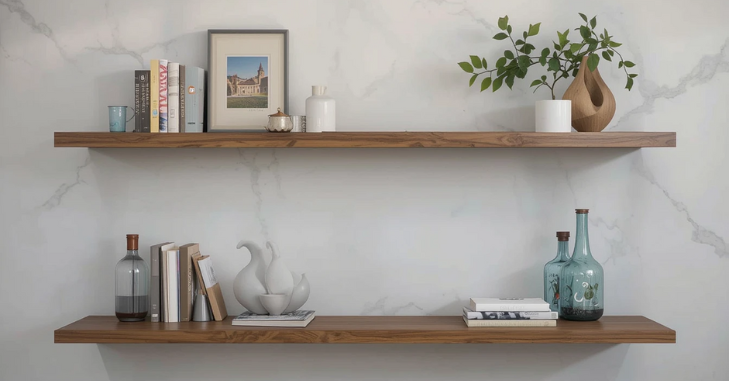
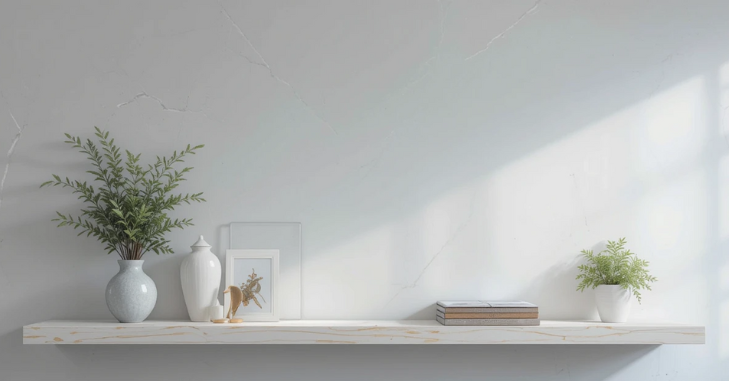
Arrange items of varying sizes and shapes to maintain visual harmony. Group objects in odd numbers and mix heights to keep the display dynamic and interesting.
2. Incorporate Greenery
Add freshness and life with plants. Use small potted plants, succulents, or even hanging planters that fit your shelf depth without overwhelming the space.
3. Mix Textures
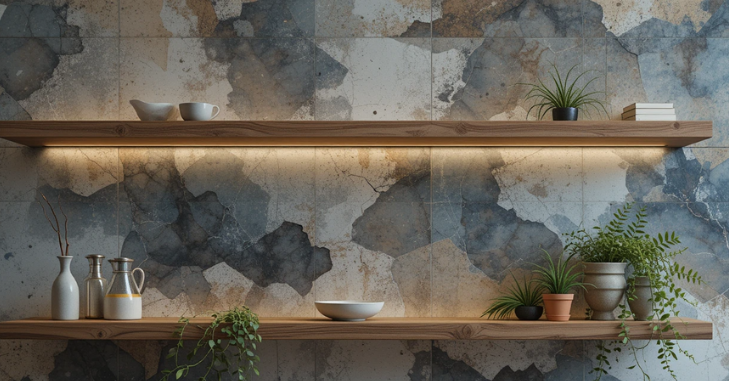
Layer different textures to add depth. Pair smooth ceramics, woven baskets, and metal accents with wood to create an inviting, tactile display.
4. Add Personal Touches
Showcase framed photos, collectibles, travel souvenirs, or favorite books to personalize your shelves and make the space welcoming.
5. Update with Seasonal Décor
Keep your shelves fresh and engaging by rotating seasonal décor items such as candles, themed ornaments, or seasonal greenery that reflects the time of year.
Consider Layering and Lighting for Impact
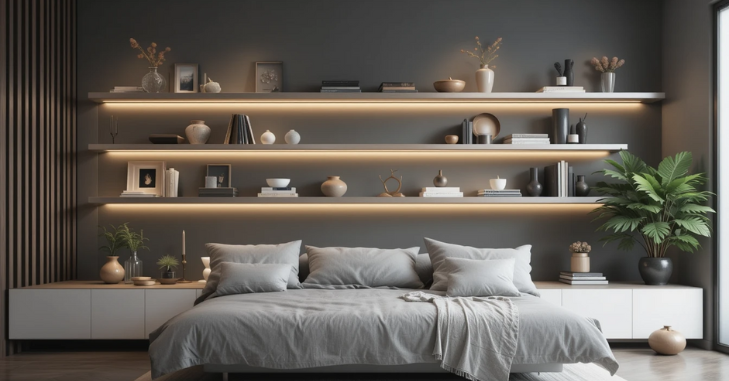
For an elevated, gallery-like effect, try layering items on your long floating shelves. Place taller objects at the back and smaller pieces in front to create depth, and use risers or decorative boxes to vary heights.
Integrating subtle LED strip lighting beneath or behind the shelves can also highlight your display, cast a soft glow on the wall, and emphasize decorative elements. This combination of layering and lighting transforms ordinary shelving into a focal point, making your shelves both functional and visually striking.
Conclusion
Long floating shelves are a fantastic way to elevate your home décor while offering practical storage solutions. By choosing durable, stylish materials, installing them securely, and styling creatively, you can create a modern, elegant look tailored to your personal style.
Whether filled with books, plants, or decorative accents, these shelves can transform any room into a refined and organized space. Embrace their versatility to truly showcase your creativity!
For more information on “Enhancing Spaces” be sure to explore our “Home Improvement” category.
FAQs
Regularly dust your shelves, check that brackets remain secure, avoid overloading them, and use appropriate mild cleaners suitable for wood, metal, or glass surfaces.
Combine books, plants, decorative objects, framed artwork, and ambient LED strip lighting to create an attractive and balanced arrangement.
Yes, opt for moisture-resistant materials like sealed wood, treated MDF, or corrosion-resistant metal to prevent warping and rust in humid bathroom environments.
Anchor brackets into wall studs when possible for heavy loads, use concealed mounting hardware for a clean look, ensure shelves are perfectly level, and utilize wall anchors if mounting on drywall without studs.
