

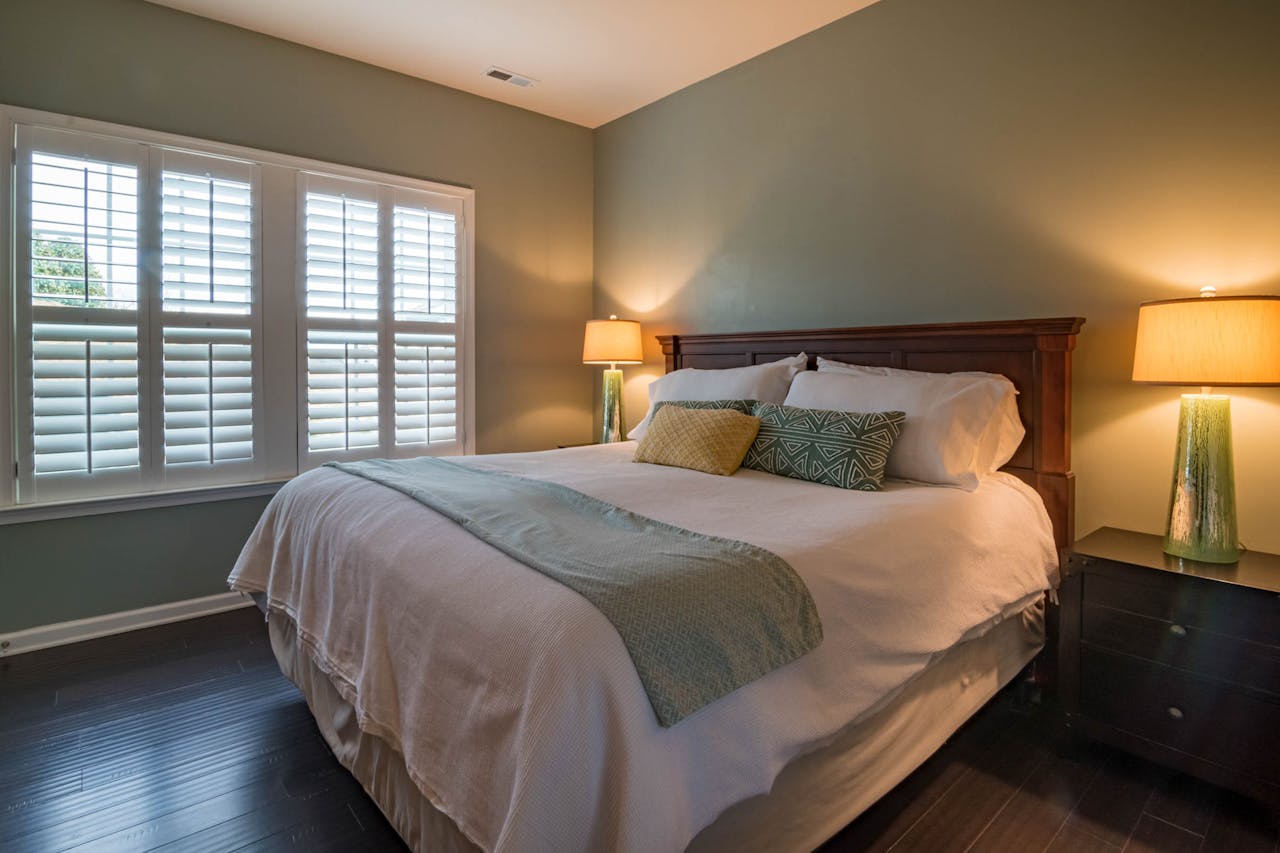
Windows act as portals to the outside world — but in Singapore, where the sun shines intensely and most homes are high-rise apartments, the right window blinds are about comfort and function, not just decoration. The original version of this post was 722 words that repeated the phrase “window blinds in Singapore” twenty times without giving a single price, material, or practical tip. Here is the guide it should have been.
Why Blinds Matter in Singapore
About 80% of Singaporeans live in HDB flats — high-rise apartments with large windows. Three things matter: light control (the tropical sun is strong year-round, and west-facing windows get intense afternoon sun), privacy (neighbouring blocks are close), and heat (blinds that reduce solar heat gain ease the load on air conditioning). The right blinds address all three.
Types of Window Blinds
Roller blinds — a single sheet of fabric on a roller; sleek and modern, good for smaller windows. Available in light-filtering, sunscreen (a see-through mesh that blocks UV while keeping the view), and blackout fabrics.
Venetian blinds — horizontal slats in aluminium, PVC/faux wood, or real wood. Tilt the slats for precise light control. Aluminium is the cheapest and most moisture-resistant; faux wood looks like wood but resists humidity.
Vertical blinds — vertical slats, best for large windows and sliding doors.
Roman blinds — fabric that folds into pleats when raised; a soft, luxurious look for bedrooms and living rooms.
Honeycomb (cellular) blinds — fabric cells that trap air. The best insulation of any blind type — genuinely useful against Singapore’s heat.
Zebra / day-and-night blinds — alternating sheer and solid bands; slide them to switch between privacy and view.
Blackout blinds — block nearly all light; for bedrooms and home theatres.
Motorised / smart blinds — battery or mains powered, controlled by remote, app, or voice assistant (Google Home, Alexa). Increasingly common in new condos, and the most expensive option.
Outdoor blinds — zip-track blinds for balconies, blocking sun and rain while keeping the space usable.
Materials: What Works in Singapore’s Humidity
| Material | Pros | Cons |
|---|---|---|
| Aluminium | Light, cheap, moisture-resistant | Can look industrial; dents |
| PVC / faux wood | Looks like wood, resists humidity | Heavier than aluminium |
| Real wood | Beautiful, warm | Warps in humidity — avoid in bathrooms/kitchens |
| Fabric | Soft, wide range of colours | Needs more cleaning; can develop mould if neglected |
For Singapore, PVC/faux wood and aluminium are the sensible defaults; real wood belongs in dry rooms only.
What Do Window Blinds Cost in Singapore?
Typical 2026 ranges (SGD, per window, custom-made):
| Type | Typical cost per window |
|---|---|
| Standard roller blinds | ~S$100–$300 |
| Venetian blinds | ~S$150–$400 |
| Roman blinds | ~S$200–$500 |
| Motorised blinds | ~S$400–$1,000+ |
A typical HDB 4-room flat fitted out costs roughly S$1,500–$4,000+ depending on the type and the number of windows. Ready-made blinds are cheaper than custom-made; motorised and premium fabrics cost more. Get at least three quotes — prices vary widely between suppliers. For one supplier’s range, see these window blinds in Singapor.
Choosing the Right Blinds
- Start with the room, not the catalogue. Bedrooms need blackout; living rooms need light control and a view; kitchens and bathrooms need moisture-resistant materials.
- Check the sun. West-facing windows get the harshest afternoon sun — prioritise heat-blocking fabrics (honeycomb, sunscreen, or light-coloured roller blinds) there.
- Measure properly. Inside mount (within the window frame — cleaner look, needs enough frame depth) vs outside mount (on the wall above — covers more, better blackout). Measure the width at the top, middle, and bottom and use the smallest; measure the drop in three places too.
- Match the décor. Blinds should complement your room’s colours and textures, not fight them.
- Consider motorisation for hard-to-reach windows — tall windows and skylights are the best use case, not every window in the house.
Cleaning and Maintenance
Singapore’s humidity means fabric blinds can develop mould if neglected. Vacuum fabric blinds weekly with a brush attachment. Wipe PVC and aluminium blinds with a damp cloth and mild detergent. Never soak wooden blinds — wipe them with a barely damp cloth. Clean regularly and the blinds will last years; ignore them and the fabric will stain and the mechanisms will stick.
Installation
Blinds are non-structural fixtures and generally do not need HDB renovation permits (unlike hacking walls or changing windows). Professional installation is usually included by suppliers and guarantees a clean result. DIY is feasible for standard roller blinds if your measurements are accurate — but measure twice, because a blind cut 1 cm too short cannot be fixed.
The Bottom Line
For most Singapore homes, the best choice is simple: roller blinds with sunscreen or blackout fabric for living areas and bedrooms, PVC venetian blinds for kitchens and bathrooms, and honeycomb blinds where heat is the problem. Budget roughly S$1,500–$4,000 for a 4-room HDB flat, get three quotes, and measure carefully. The blinds will pay for themselves in comfort and lower air-conditioning bills.
Visit our HOME IMPROVEMENT category for more home guides.
Frequently Asked Questions (FAQs)
What are the best window blinds for Singapore’s climate?
Roller blinds (sunscreen or blackout fabric) for most rooms, PVC venetian blinds for kitchens and bathrooms (moisture-resistant), and honeycomb blinds where heat is the main problem.
How much do window blinds cost in Singapore?
Roughly S$100–$300 per window for standard roller blinds, S$150–$400 for venetian, S$200–$500 for Roman, and S$400–$1,000+ for motorised. A 4-room HDB flat typically costs S$1,500–$4,000+ in total.
Do I need an HDB permit to install window blinds?
No — blinds are non-structural fixtures and generally do not need renovation permits, unlike hacking walls or changing windows.
Are motorised blinds worth it in Singapore?
For hard-to-reach windows (tall windows, skylights) yes. For every window in the house, usually not — the cost adds up fast.
How do I clean window blinds in Singapore’s humidity?
Vacuum fabric blinds weekly with a brush attachment; wipe PVC and aluminium with a damp cloth and mild detergent; never soak wooden blinds. Regular cleaning prevents mould.
What is the difference between inside mount and outside mount?
Inside mount fits within the window frame (cleaner look, needs enough frame depth); outside mount is fixed on the wall above the window (covers more, better blackout).
