

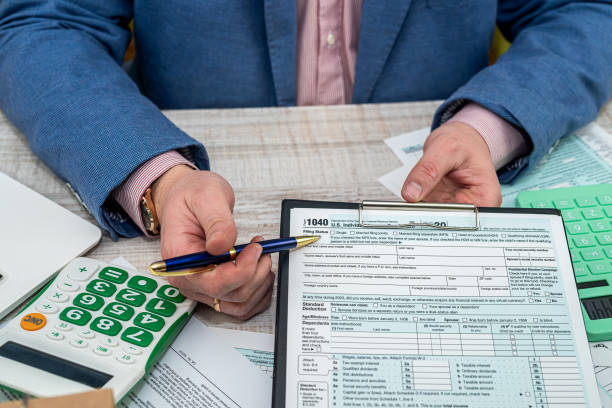
When it comes time to file taxes, both individuals and corporations can significantly benefit from the expertise of a Certified Public Accountant (CPA). However, developing a successful working relationship with your CPA hinges on effective communication. By understanding the best communication practices between a CPA and their client, you can ensure that all accounting tasks—including filing taxes and record-keeping—are simplified, accurate, and efficient.
Never Be Afraid to Ask Questions When Something Isn’t Clear
Asking questions is essential for clear communication. If you’re unsure about how a particular process works or why a specific result occurred, don’t hesitate to reach out to your CPA for clarification. For many clients unfamiliar with complex financial details, tax filing, tracking expenses, or interpreting financial reports can feel overwhelming. A professional CPA will take the time to explain their methods and justify any unusual or nonstandard procedures, demonstrating genuine care for your financial well-being. You should never feel lost or confused simply because you’re not directly handling tax preparation or financial tasks.
Timely Reports and Comprehensive Information Are Always Available
Accurate record-keeping is a fundamental skill of any qualified CPA. Your accountant should provide detailed reports and timely updates explaining how your financial data is managed and how your taxes are filed. Maintaining your own records and promptly supplying your CPA with necessary documentation—such as receipts and expense logs—is crucial. This practice ensures that your tax filings are precise and aligns you confidently with the requirements of the Internal Revenue Service (IRS).
Read: Different Types of Tax Accountant NYC Can Save You Lots of Money
Why Hiring a CPA Is Your Best Choice
Certified Public Accountants are required to complete extensive continuing education annually to stay current with evolving tax laws, ethical standards, and industry changes. Most individuals simply don’t have the time or expertise to navigate this complex landscape independently, making professional CPA assistance invaluable. With their deep knowledge of tax regulations, CPAs ensure that your tax returns are prepared accurately and submitted correctly. Hiring a CPA is like enlisting a master cake decorator to perfect your wedding cake—your taxes will be handled flawlessly and professionally.
When you build a trusting relationship with your CPA through open and honest communication, you can be confident that your tax preparation will be thorough and nothing will be overlooked. Trust is key, and maintaining clear channels of communication is the most effective way to establish this trust.
To learn more about The impact of immigration visit our Finance category.
Frequently Asked Questions (FAQs)
Gather all relevant financial documents such as receipts, bank statements, previous tax returns, payroll records, and any investment or business income details. Organizing these documents beforehand will help your CPA prepare your taxes efficiently and accurately.
It’s best to maintain regular communication throughout the year, especially during tax season or when significant financial events occur. This ensures your CPA has the latest information to provide accurate advice and file taxes timely.
Absolutely. A CPA can provide strategic tax planning throughout the year to help minimize your tax liabilities, identify deductions, and maximize your financial benefits.
A CPA is a licensed accounting professional who has passed the CPA exam and met specific experience requirements. They are authorized to provide more specialized services, including representing clients before the IRS and offering advanced financial advice.
The cost of hiring a CPA can vary depending on the complexity of your financial situation and the services you require. However, their expertise often results in tax savings and fewer errors, making their services a valuable investment.
