

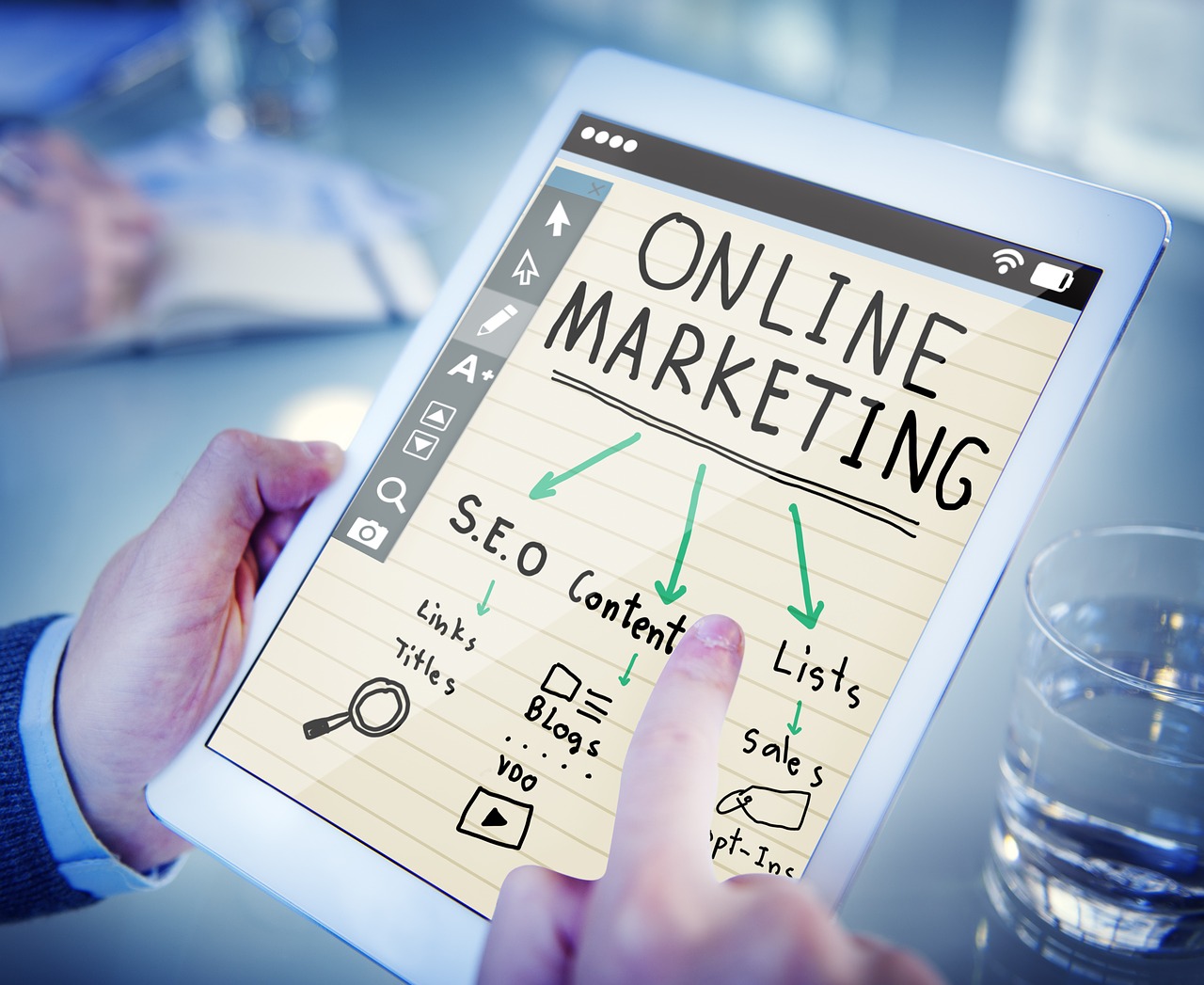
In today’s competitive digital landscape, brands must establish a strong online presence to thrive. Search Engine Optimization (SEO) and Pay-Per-Click (PPC) advertising are the two essential strategies website marketing companies use — SEO for gradual organic visibility, PPC for immediate targeted traffic. The original version of this post was thin (802 words) and generic; this rewrite adds the numbers, the honest trade-offs, and how agencies actually combine the two.
PPC vs SEO: The Honest Comparison
| SEO | PPC | |
|---|---|---|
| Speed | 3–6 months to see movement; 6–12 for competitive terms | Traffic the day it launches |
| Cost model | Time and money (content, technical work, links) — no per-click charge | Pay for every click, whether or not it converts |
| Duration | Results compound and last after the work stops | Stops the day the budget stops |
| Control | Limited — Google decides the ranking | Full — budget, audience, ad copy, landing page |
| Risk | Algorithm updates; AI Overviews reducing organic clicks | Rising CPCs; click fraud; wasted spend on bad targeting |
Neither is “better”. SEO builds a durable asset; PPC buys speed and precision. The combination is the point.
SEO: Building the Foundation
On-page and technical SEO. Optimising title tags, URLs, meta descriptions, and content structure, plus the technical basics: mobile responsiveness, fast site speed (Core Web Vitals), HTTPS, and clean site architecture. A well-optimised website improves visibility and user experience, and keeps visitors exploring longer.
High-quality, relevant content. At the core of successful SEO lies valuable, relevant content. A Website marketing company specialises in developing engaging content — blog posts, articles, videos, and infographics — that answers user queries, positions the brand as an authority, and attracts natural backlinks.
Link building. Building domain authority requires high-quality backlinks from trustworthy websites. Modern link building is digital PR, genuinely useful content, and expert commentary — not the blogger/influencer outreach the original recommended. Buying links violates Google’s guidelines and risks penalties.
PPC: Buying Speed and Precision
PPC (usually Google Ads) puts a brand at the top of the search results immediately, for exactly the keywords and audiences it chooses. The average cost per click on Google search is roughly $1–$2 in most industries — but $5–$50+ in expensive niches such as legal, finance, insurance, and B2B software. Google’s Quality Score rewards relevant ads and landing pages with lower CPCs; a poor landing page makes every click more expensive.
How Agencies Combine Them
This is where the two strategies earn their keep together:
- PPC data feeds SEO. PPC reveals which keywords actually convert — SEO targets those first, instead of guessing.
- SEO covers what PPC cannot afford. Terms too expensive to bid on can still be won organically.
- PPC covers what SEO has not won yet. While a page climbs the rankings, ads keep it visible.
- SERP domination. Owning both the ad and the organic result on the same search page increases total clicks and credibility.
- Remarketing. Organic visitors who did not convert are retargeted with ads — the cheapest conversions most brands get.
- Shared audience data. Both channels generate data about demographics, interests, and behaviour; agencies use these insights to target more precisely and improve both campaigns continuously.
The Metrics That Matter
- CPC (cost per click) — what each visit costs
- CTR (click-through rate) — how often people click when they see you
- Conversion rate — how often clicks become customers
- CAC (customer acquisition cost) — the total cost of winning one customer
- ROAS (return on ad spend) — revenue per dollar of ad spend
- Organic traffic and share of voice — how much of the search market you own without paying
The 2026 Complication: AI Overviews
Since 2024, Google’s AI Overviews (and AI Mode) have answered many informational queries directly on the results page, reducing organic click-through rates. SEO in 2026 means competing for fewer clicks — which makes the PPC+SEO combination more important, not less. Brands that rely on organic traffic alone are more exposed than they were two years ago.
The Bottom Line
SEO builds a strong, sustainable foundation; PPC provides immediate visibility and precise control. Together, they let a brand appear twice on the same search page, learn from paid data to guide organic work, and convert visitors that either channel alone would lose. Partnering with an experienced agency that integrates both is the practical way to grow — but watch the metrics, not the promises.
Visit our Business category for more marketing guides.
Frequently Asked Questions (FAQs)
What is the main difference between SEO and PPC?
SEO optimises your website to rank organically — it takes time but provides long-term benefits. PPC is paid advertising that drives immediate, targeted traffic, and stops when the budget stops.
Can I use SEO and PPC simultaneously?
Yes — and you should. PPC gives immediate traffic while SEO builds; PPC data also tells you which keywords are worth targeting organically.
How long does SEO take?
Typically 3–6 months to see movement and 6–12 months for competitive terms.
How much does PPC cost?
Roughly $1–$2 per click on Google search in most industries, but $5–$50+ in expensive niches such as legal, finance, and insurance.
How does PPC data improve SEO strategy?
PPC shows which keywords actually convert, so SEO can target those first instead of guessing.
Why is link building important for SEO?
Backlinks from reputable websites enhance domain authority, signalling to search engines that a site is trustworthy — which improves rankings. Buying links violates Google’s guidelines.
