

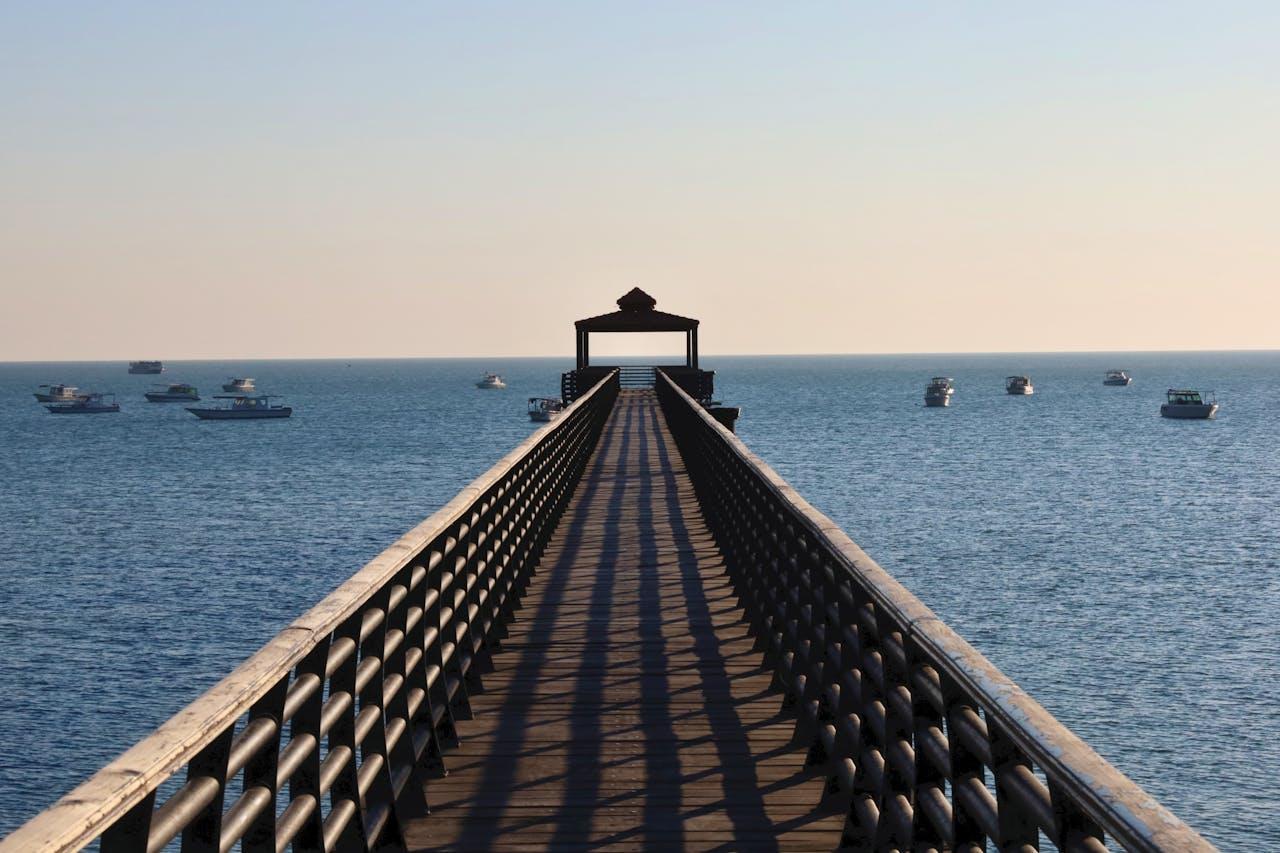
A seaside vacation is one of the simplest pleasures: waves, sand, and an endless horizon. The original version of this post was thin (739 words) and generic — it named no actual places, gave no sun-protection specifics, and never mentioned water safety at all. Here is the fuller, genuinely useful version.
1. Choose the Right Destination
The first step is selecting the right destination for the trip you want. Lively beaches suit people who want activities and nightlife; quiet shores suit people who want solitude. A few examples to start with:
- Lively: Miami Beach, Bondi Beach (Sydney)
- Quiet: the Algarve (Portugal), the Greek islands
- Family-friendly: Cornwall (England), the Outer Banks (North Carolina)
Research the beach itself, not just the town: is it lifeguarded, is the water calm or surf-heavy, is it crowded in season, and how far is the accommodation from the sand?
2. Pick the Best Time and Season
Summer is the most popular season — and the most crowded and expensive. For a quieter, cheaper trip, travel in the shoulder seasons (late spring or early autumn): milder weather, fewer crowds, better rates. Check the climate patterns of your destination before booking, so you do not arrive in the rainy season or a cold snap, and have a bad-weather plan (museums, restaurants, indoor pools) so a rainy day does not ruin the trip.
Book early for summer, check cancellation policies, and consider travel insurance — especially for international trips.
3. Book Smart Accommodation
When booking contemporary hotel suites or any seaside stay, look for location first (walking distance to the beach beats a sea view from a mile away), then read recent reviews and photos, confirm air conditioning, and check the cancellation terms. A suite with a kitchenette or a fridge saves money on drinks and snacks, and a balcony or terrace is worth paying for at the seaside.
4. Pack for the Beach — and for the Sun
For a beach vacation, pack comfortable beachwear (airy dresses, swimsuits, lightweight linen shirts), plus:
- Sunscreen, SPF 30+ broad-spectrum — reapply every two hours and after swimming. UV reflects off sand and water, so you burn faster at the beach than inland.
- A wide-brimmed hat and UV-protection sunglasses
- A reusable water bottle (dehydration sneaks up on you in the sun)
- Quick-dry towels, flip-flops, and a beach tote
- A waterproof phone pouch and a power bank
- Insect repellent for evenings
- Basic first aid — plasters, antiseptic, any medication you need
If you plan to snorkel, choose reef-safe sunscreen (oxybenzone- and octinoxate-free) and do not touch coral or stand on reefs.
5. Stay Safe in the Water
This is the tip the original post missed entirely, and it matters most:
- Swim near a lifeguard and obey flags and warnings.
- Never swim alone.
- Learn to spot a rip current: a channel of choppy, discoloured water moving away from shore. If you are caught in one, do not fight it — stay calm, swim parallel to the shore until you are out of the current, then swim back in at an angle. If you cannot escape, float and call for help.
- Do not mix alcohol with swimming.
- Watch children constantly — drowning is fast and silent.
- Wear sandals to the water’s edge — sand gets hot, and shells and jellyfish are sharp.
Make the Most of Your Beach Days
Early mornings are tranquil, with fewer people, cool breezes, and sunrises; sunsets are the peaceful end of the day. Swim in gentle waves, picnic on the sand, stroll along the shore — and for the adventurous, snorkelling, kayaking, and paddleboarding turn an ordinary beach day into an extraordinary one.
If you like the slower pace of seaside travel, our Cozy Retreats guide covers charming cafes and restaurants in Singapore and the US — a good experience to pair with a beach trip.
Visit our Travel category for more travel guides.
Frequently Asked Questions (FAQs)
What are the best seaside destinations for a relaxing vacation?
It depends on your taste: lively beaches (Miami Beach, Bondi) for activities, quiet shores (the Algarve, the Greek islands) for solitude, and family-friendly coasts (Cornwall, the Outer Banks) for children.
When is the ideal time to visit the beach for fewer crowds?
The shoulder seasons — late spring and early autumn — offer milder weather, fewer crowds, and better rates.
What should I pack for a beach vacation?
SPF 30+ broad-spectrum sunscreen, a wide-brimmed hat, UV sunglasses, a reusable water bottle, quick-dry towels, flip-flops, a waterproof phone pouch, insect repellent, and basic first aid.
What should I do if I am caught in a rip current?
Do not fight it. Stay calm, swim parallel to the shore until you are out of the current, then swim back in at an angle. If you cannot escape, float and call for help.
How can I protect the reef while snorkelling?
Use reef-safe sunscreen (oxybenzone- and octinoxate-free) and do not touch coral or stand on reefs.
