

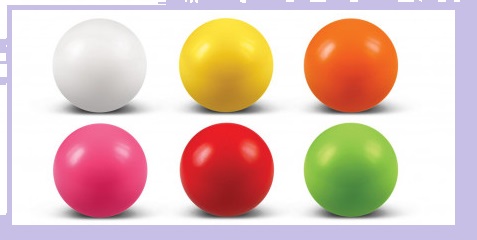
It is hard to find promotional items that are distinctive, affordable, and actually kept. Personalized stress balls are one of the few that tick all three boxes — cheap in bulk, useful enough to sit on a desk, and easy to print with your logo. The original version of this post was a thin 783 words with no prices, no ordering guidance, and several overclaims. Here is the corrected guide.
Why Stress Balls Work for Brand Promotion
Practicality. Stress balls are kept within arm’s reach — on a desk, in a bag, at home. Every time someone picks one up, they see your brand. Promotional-product industry studies put average retention at around 8 months, so a good giveaway keeps working long after the event.
Wide appeal. They work for almost any audience — corporate professionals, students, event attendees. They are fun, helpful, and low-pressure, and they suit almost any industry: a law firm can hand them out at a seminar, a university at a career fair or orientation. You might also like Can Personal Branding Enhance Your Career?.
A note on the stress claim: squeezing a stress ball may help with fidgeting and hand tension. The evidence that it meaningfully reduces stress is anecdotal, not clinical — so do not sell them as a health product.
What They Cost
Standard foam stress balls run roughly $0.50–$3.00 per unit in bulk (100–1,000 units), plus a one-off setup or print fee. Custom-moulded shapes (a house for a real-estate firm, a heart for a charity) cost more. Because they are small and light, they are cheap to ship — which makes them practical for direct mail as well as events.
How to Design Them
- Keep the logo simple. A stress ball is small — a simple logo, company name, or short slogan prints better than a detailed design.
- Match your colours. Ask for PMS colour matching so the ball matches your brand.
- Choose the print method: pad printing for one-colour logos; full-colour digital printing for complex designs.
- Pick a shape that means something: round is cheapest; custom shapes cost more but are more memorable.
- Add a call to action: a QR code or short URL turns a giveaway into a measurable channel — link it to a unique landing page or a redemption code so you can track scans.
Materials and Safety
Most stress balls are polyurethane foam; others are gel-filled or rubber. If your audience includes allergy-sensitive people, order latex-free options. If you are giving them to children, check for safety certifications and avoid phthalate-containing materials. For sustainability-focused brands, recycled and biodegradable options exist.
Where to Use Them
- Trade shows and conferences: hand them out to start conversations and create a reason to follow up.
- Corporate giveaways: include them in gift bags, onboarding kits, product launches, or milestone celebrations.
- Direct mail campaigns: send customized stress balls to new leads or loyal customers — their usefulness means your message is less likely to be discarded.
Measuring Whether They Work
A giveaway without measurement is a guess. Print a QR code or a unique URL, track scans and redemptions, and compare the cost per lead against other channels. If nobody scans, the design or the audience — not the product — is the problem.
The Bottom Line
Personalized stress balls work because they are cheap, useful, and kept for months — not because they cure stress. Order in bulk, keep the design simple, add a trackable call to action, and hand them out where your audience actually is.
Visit our Business category for more marketing guides.
Frequently Asked Questions (FAQs)
How much do personalized stress balls cost?
Roughly $0.50–$3.00 per unit in bulk (100–1,000 units), plus a one-off setup or print fee. Custom-moulded shapes cost more.
Do stress balls actually reduce stress?
Squeezing one may help with fidgeting and hand tension, but the evidence for stress reduction is anecdotal, not clinical.
What is the minimum order for custom stress balls?
Usually 100–250 units, depending on the supplier.
How long do people keep promotional stress balls?
Industry studies suggest branded promotional items are kept for around 8 months on average.
Are stress balls safe for everyone?
Most are polyurethane foam; order latex-free options for allergy-sensitive audiences, and check safety certifications if giving them to children.
How do I measure ROI on stress ball giveaways?
Print a QR code or unique URL and track scans or redemptions against the cost per lead.
